Tenun Sumba theme demo by Indra Kreatif. The business name and content are only examples.

Theme details Use this theme
Tenun Sumba

Dry Season Collection 2026

Woven slowly, worn for years.

Every cloth is made by twelve weavers in Kambera, East Sumba, with hand-spun cotton and dyes from roots, leaves, and bark.

See the lookbook
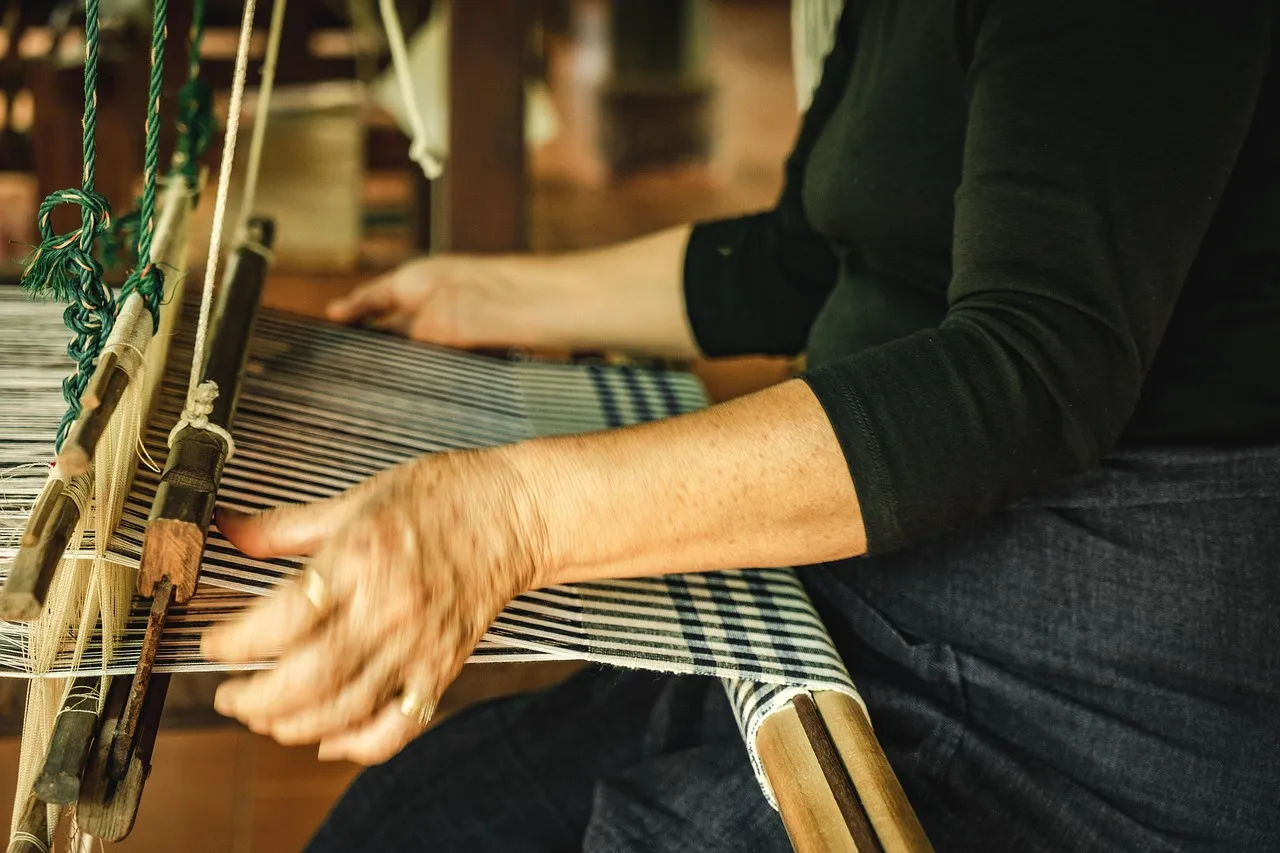
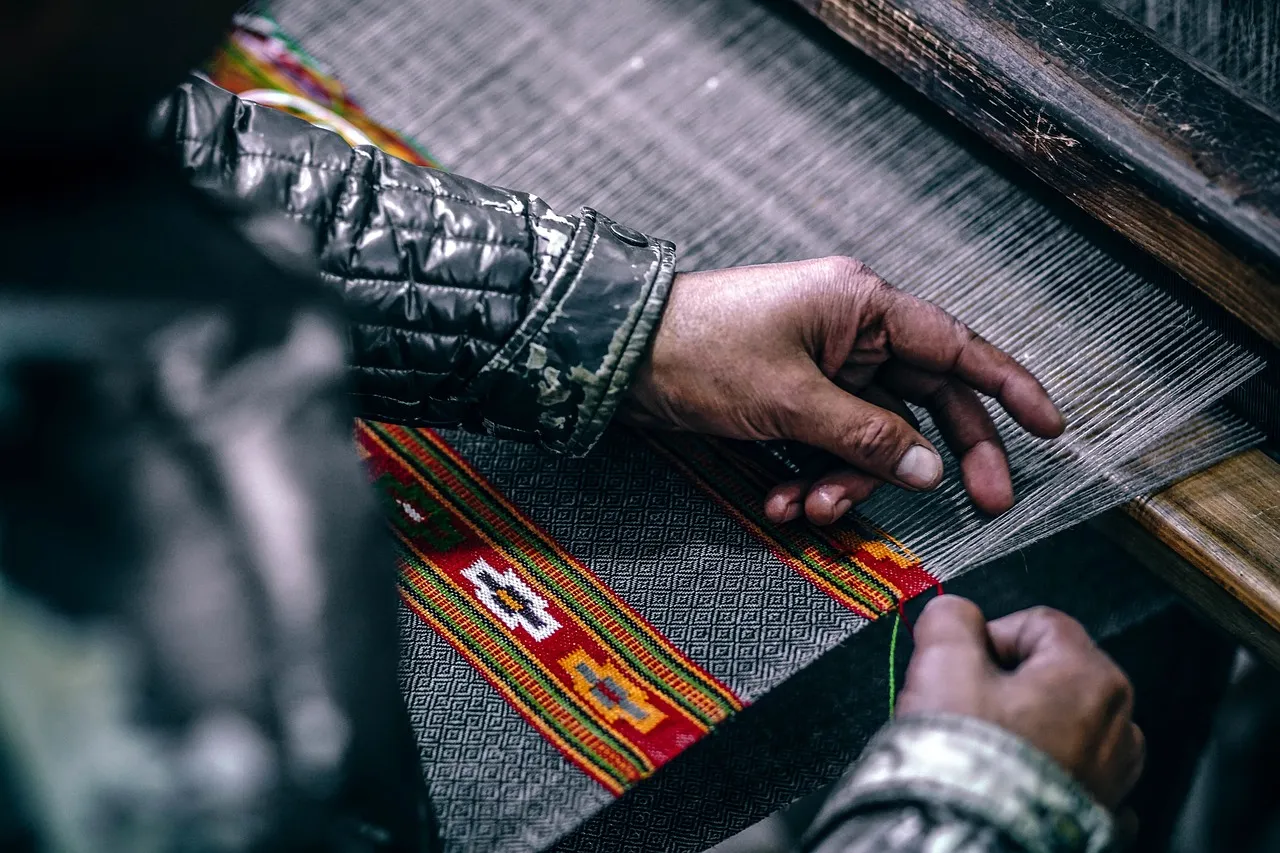
A weaver’s hands beating blue and white threads tight on the loom
A single shawl takes about 900 hours of handwork.

Lookbook

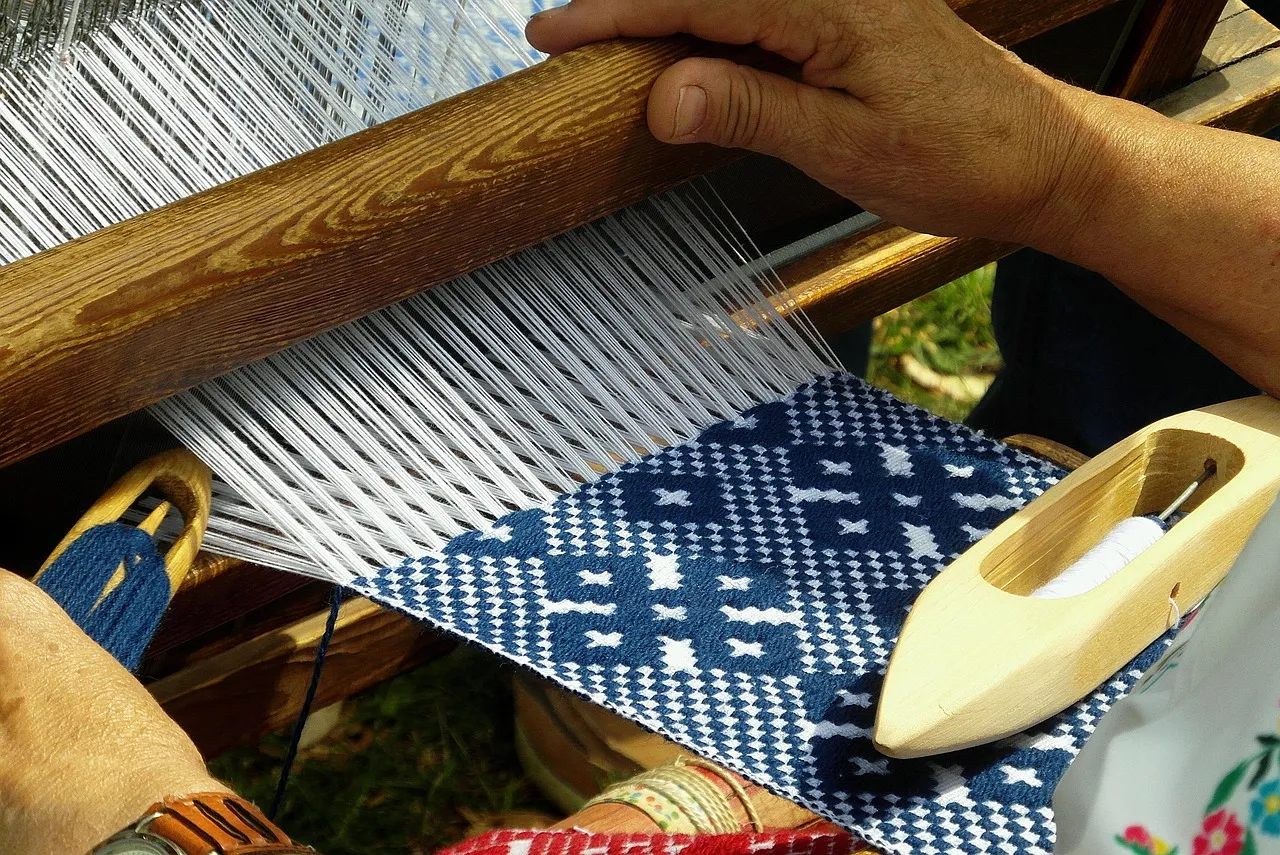
  1. Small Hinggi Shawl

    Motif: Stripes and diamonds

    Hand-spun cotton, dyed with mengkudu and indigo

    01 / 06 Small Hinggi Shawl Rp 1.450.000
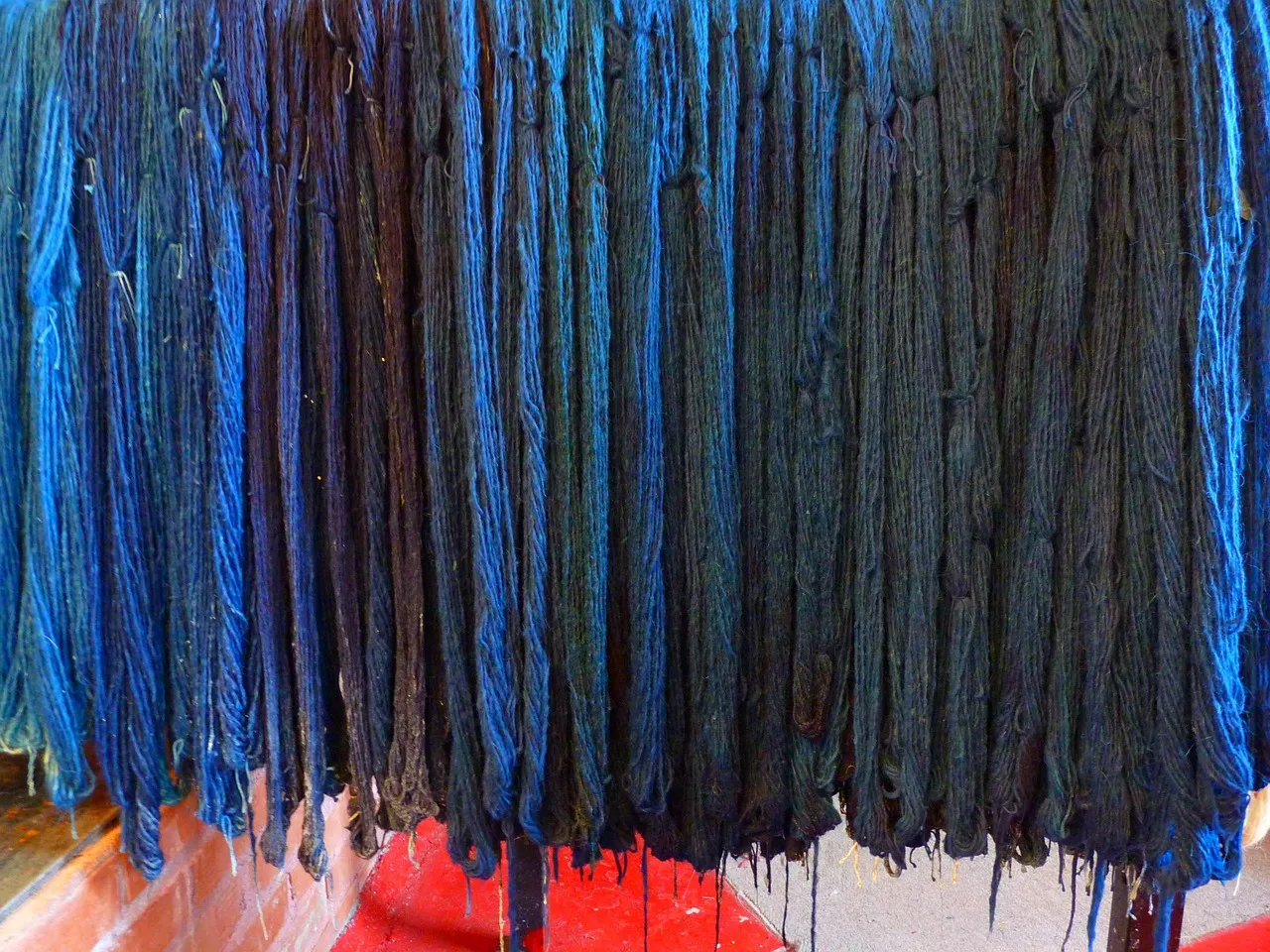
  2. Seven-Dip Indigo Yarn

    Motif: Warp threads before weaving

    Dipped seven times in a bath of indigo leaves

    02 / 06 Seven-Dip Indigo Yarn Made to order
  3. Mengkudu Lau Cloth

    Motif: A red field with a bordered edge

    Backstrap-loom weaving, 3 months of work

    03 / 06 Mengkudu Lau Cloth Rp 3.200.000
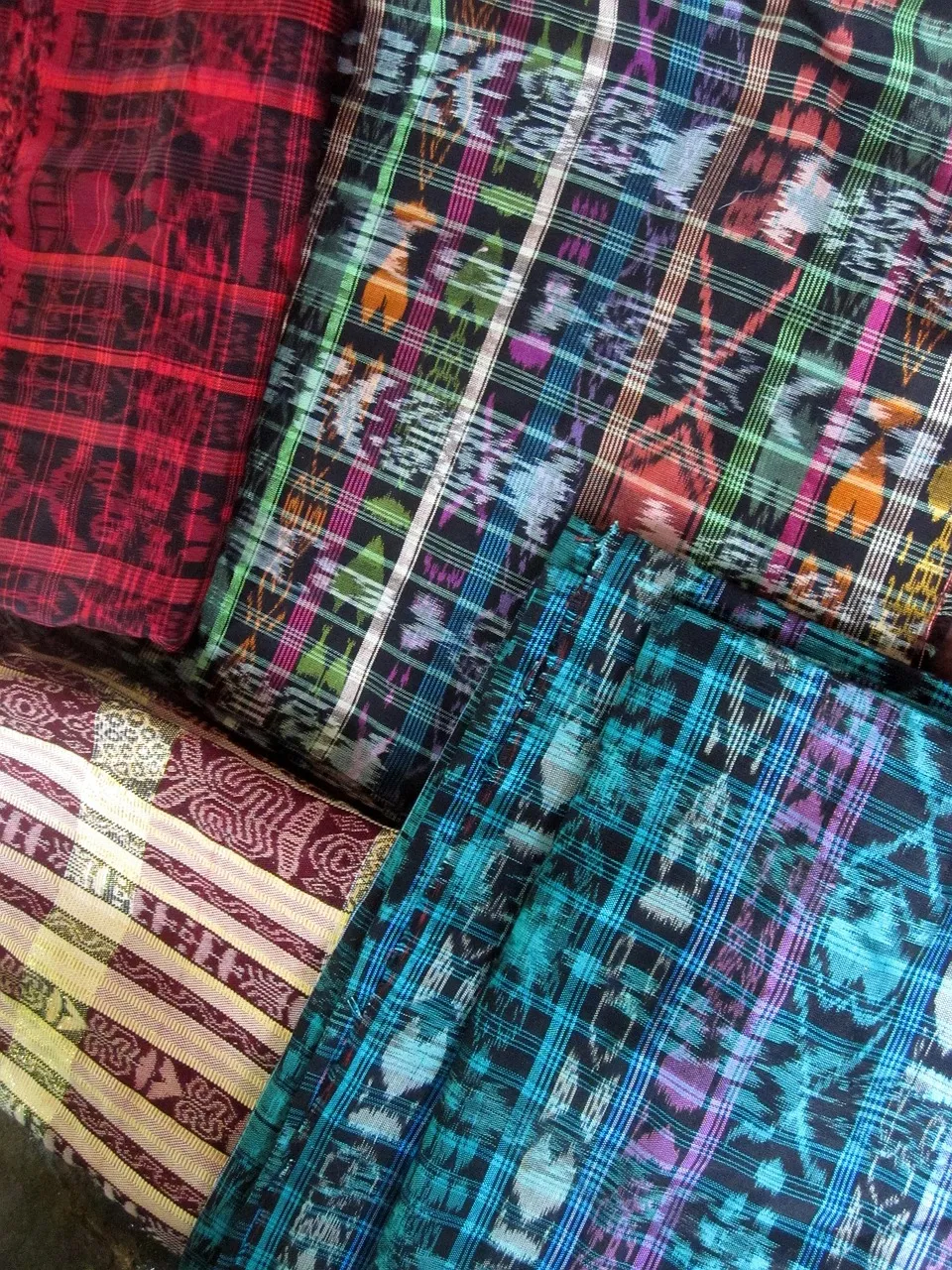
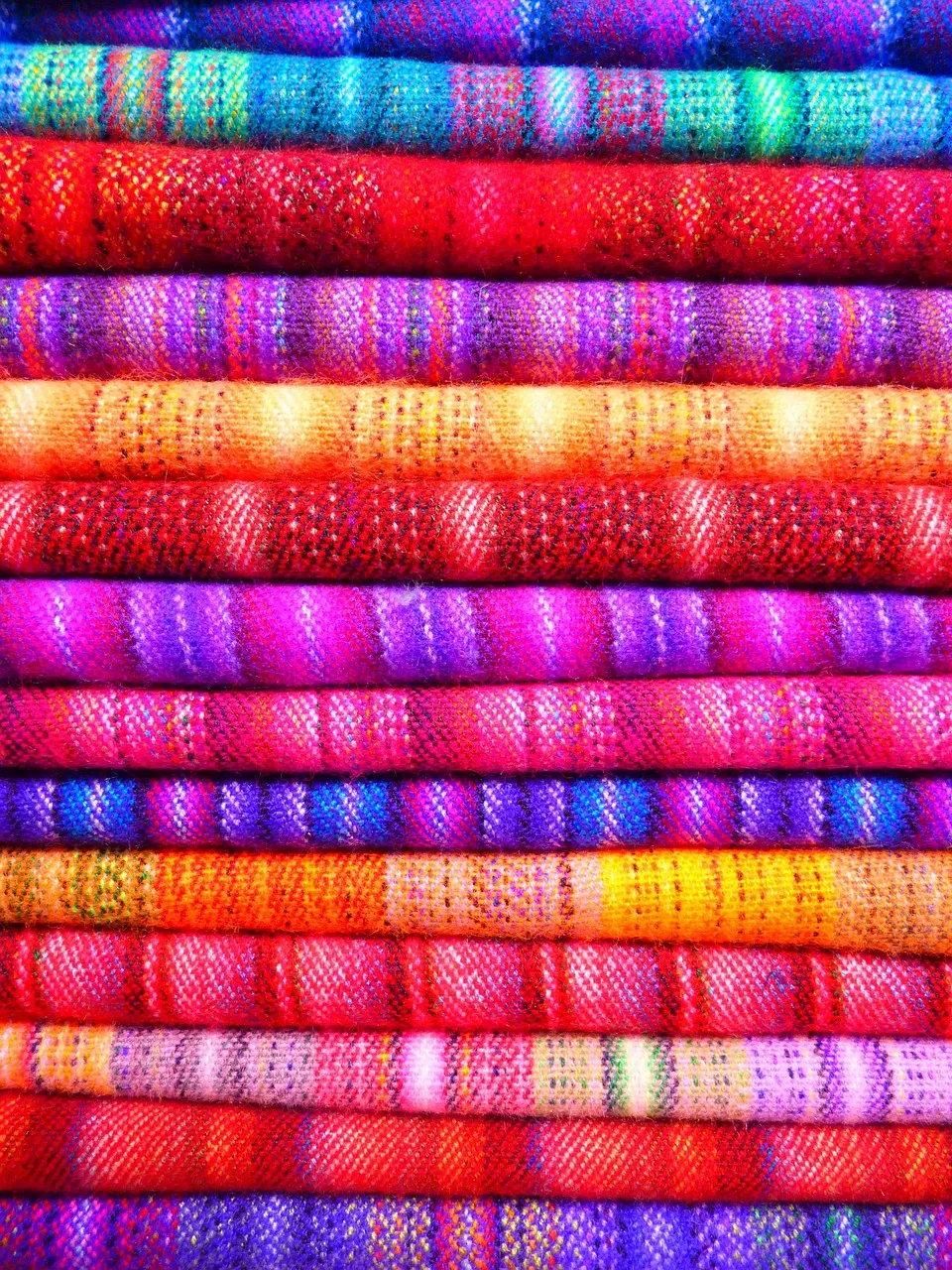
  4. Savanna Colour Series

    Motif: Broad layered stripes

    Six colours from turmeric, mengkudu, indigo, and mud

    04 / 06 Savanna Colour Series Rp 980.000
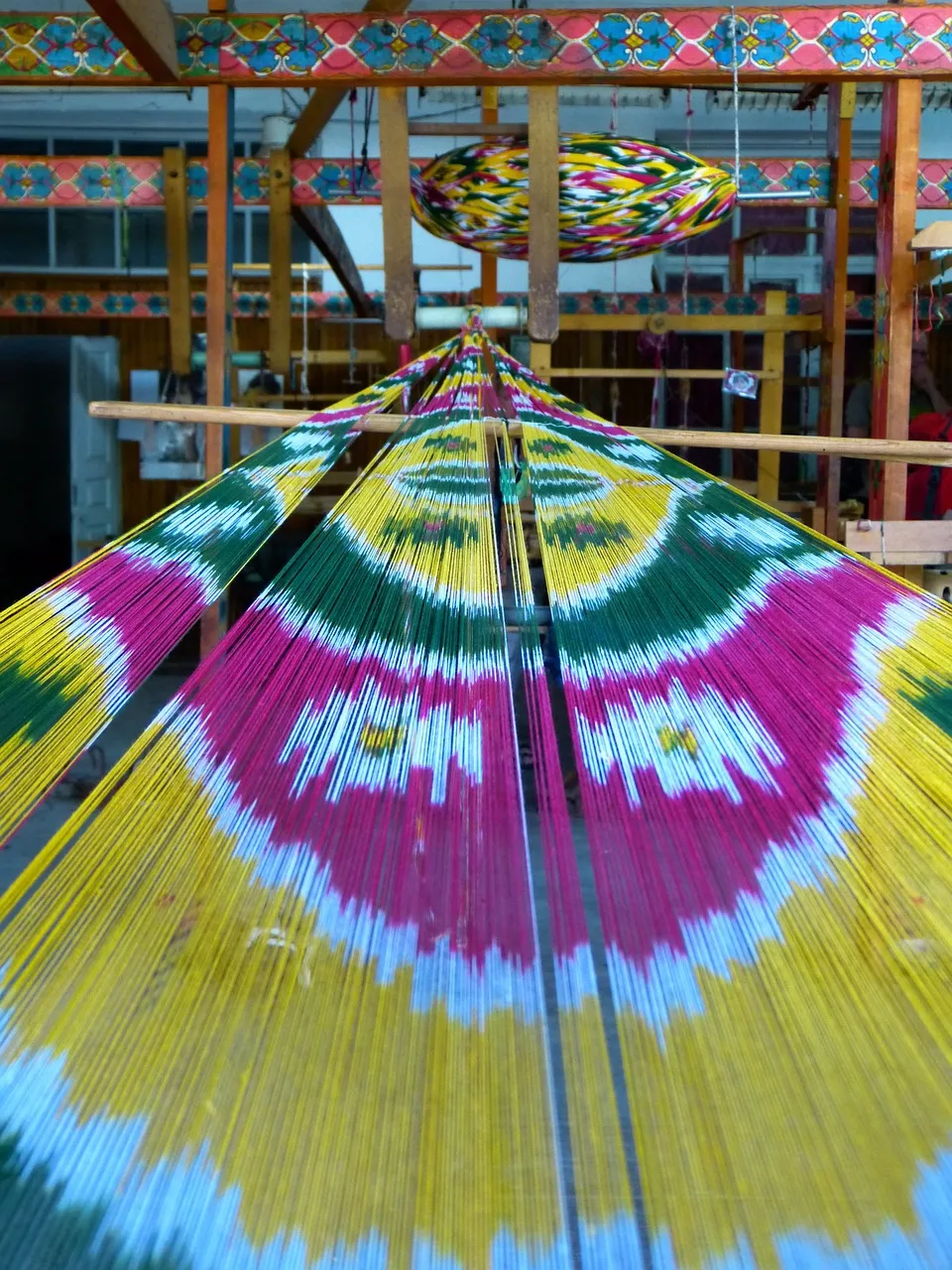
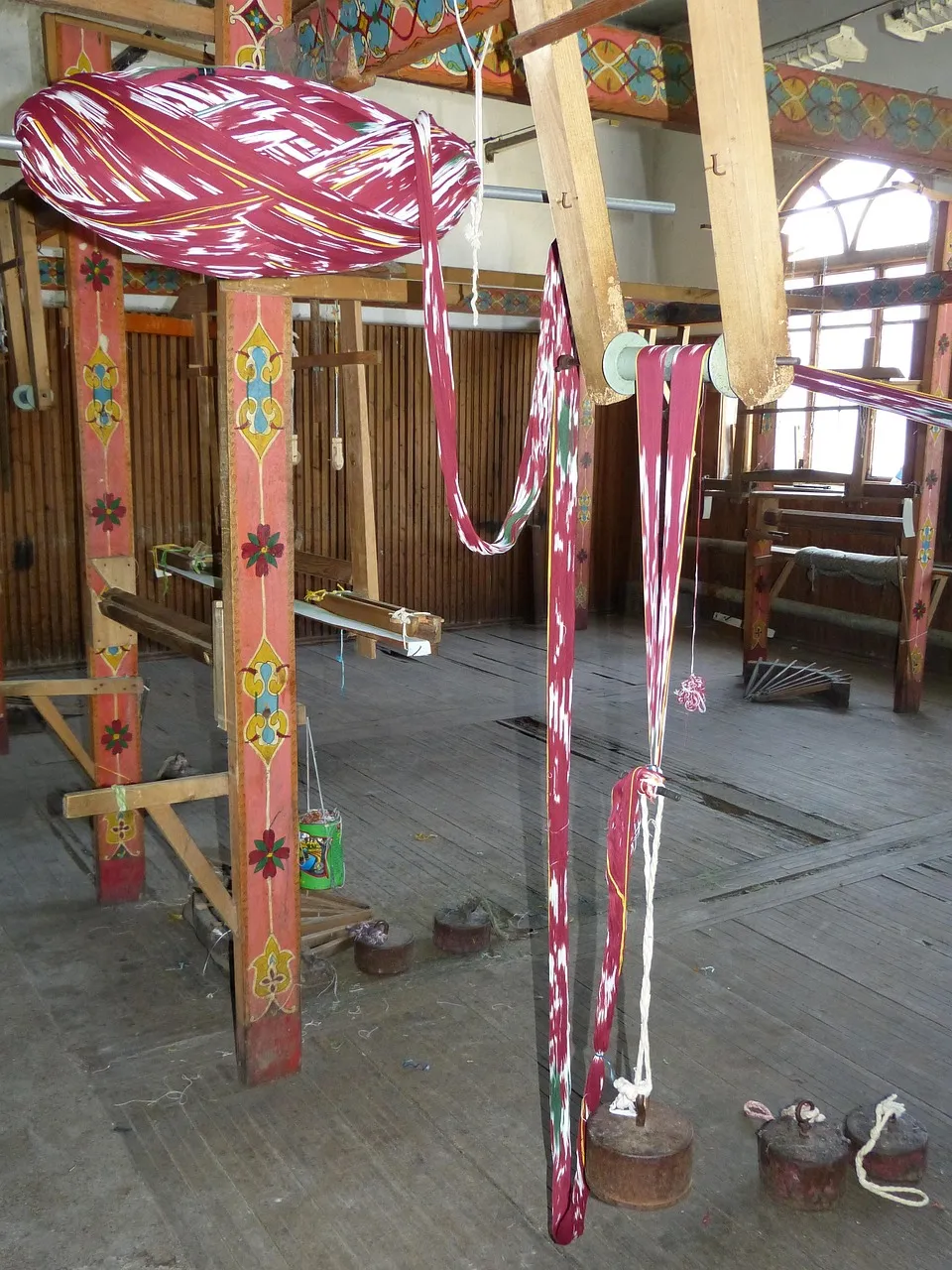
  5. Ikat Warp on the Frame

    Motif: Patterns tied before dyeing

    The longest stage: tying the motif thread by thread

    05 / 06 Ikat Warp on the Frame See the process
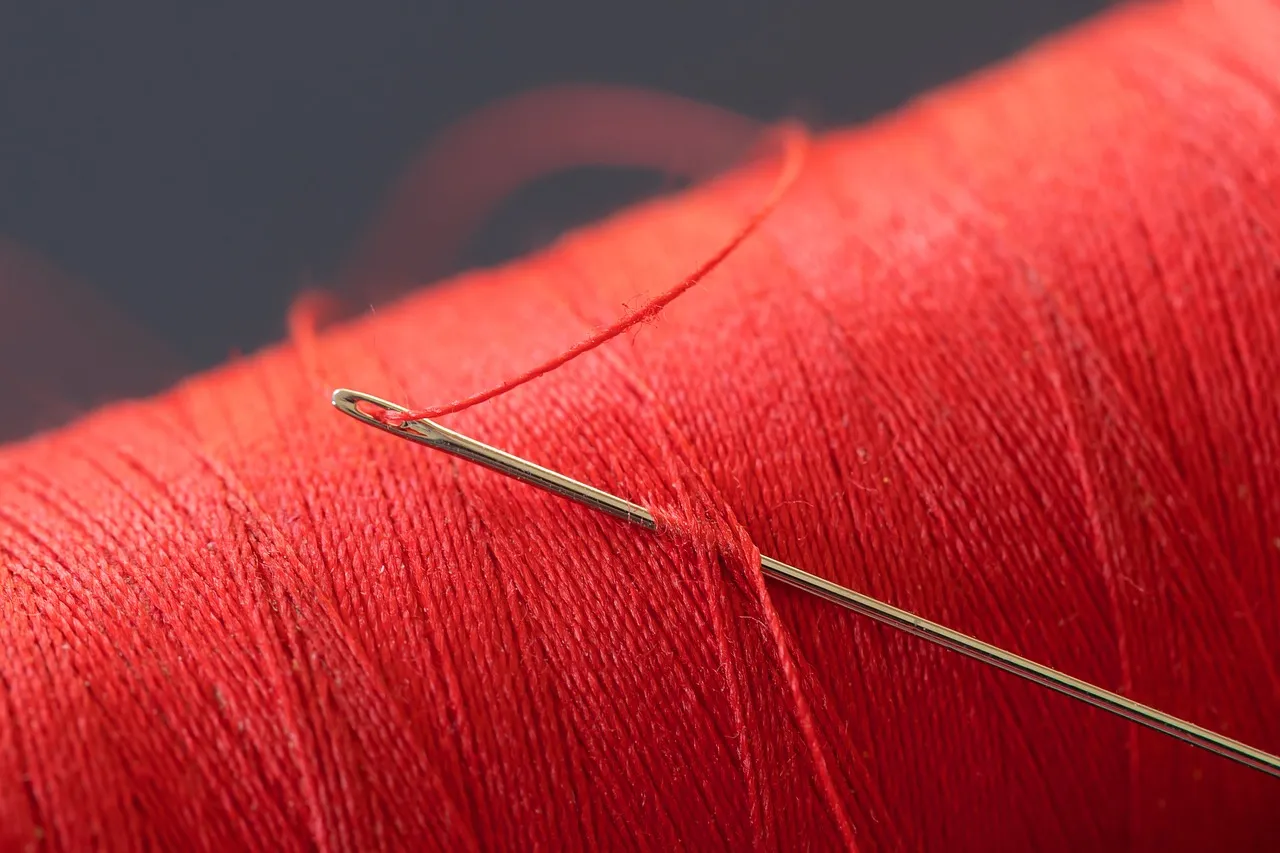
  6. Mengkudu Yarn

    Motif: Weft thread

    Mengkudu root and loba bark

    06 / 06 Mengkudu Yarn Rp 240.000 per skein

Cover story

One cloth, six months.

Written by the Tenun Sumba team with the Kambera weavers’ group.

Morning in Kambera begins with the soft knock of a backstrap loom. Beneath the stilt houses, the weavers sit with their legs stretched out, leaning back against the strap that keeps the threads taut. A single hinggi can take from one rainy season to the next dry season.

The longest part happens before any weaving. The warp is stretched out, then parts of it are tied off tightly so the dye cannot reach them. Those ties become the motif. Each dip in indigo makes the blue one shade deeper, and no two cloths are ever exactly the same colour.

“Rush it and the colour won’t hold. Cloth follows the seasons, not the orders.”

That is why we never take orders with a deadline. Each cloth is sold once it is finished, and half of its price goes straight to the weaver who made it.
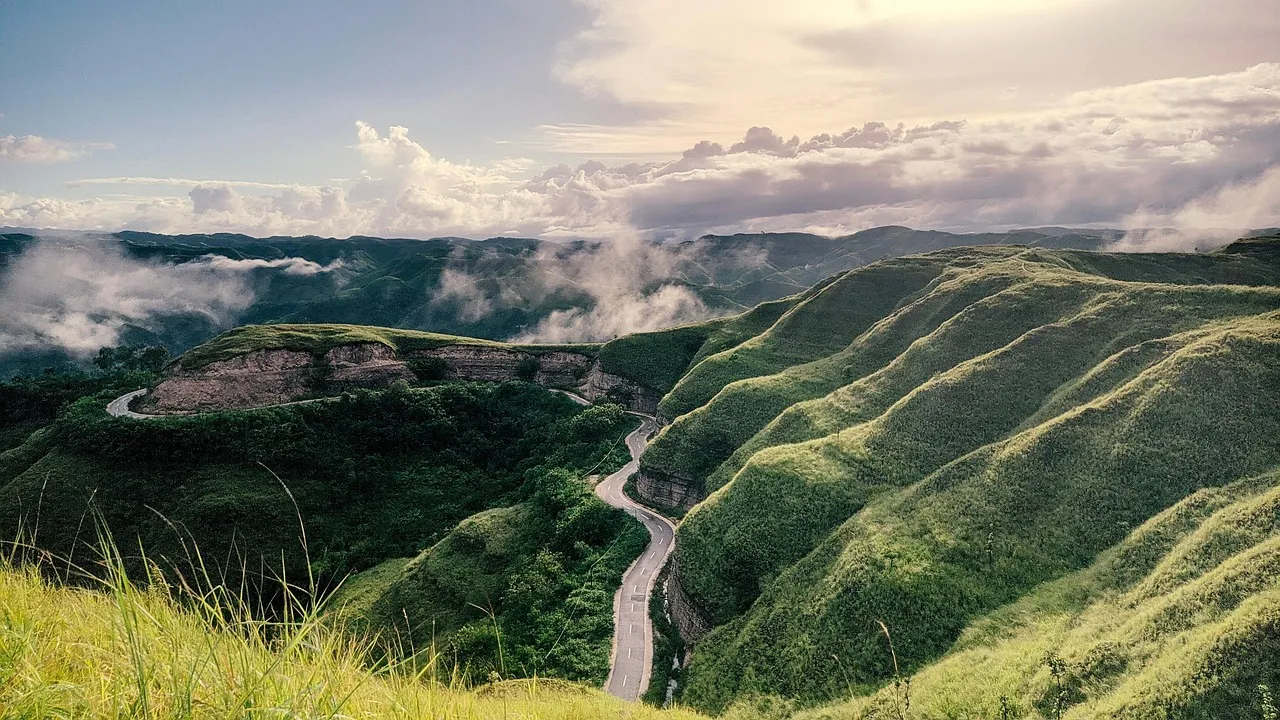
Green savanna hills and a river valley in the rainy season
The savanna in the rainy season, when the cotton starts to flower and the weavers prepare yarn for the dry season.

From cotton to cloth

The space under a house where the warp is stretched out A weaver at work on the loom
  1. 1

    Spinning

    Cotton from the fields around Kambera is spun into yarn on a hand spinner.

  2. 2

    Tying

    The motif is drawn by tying off the parts of the warp that must not take the dye.

  3. 3

    Dyeing

    The yarn is soaked in indigo for blue and mengkudu for red, again and again for weeks.

  4. 4

    Weaving

    The dyed yarn is woven on a backstrap loom, one thread at a time.

New cloths are finished every month.

Thank you. No email is stored in this demo.